2026 IACS Gathering
2026 IACS Gathering
Venue: Da Yong Building, National Chengchi University
Event Date: 2026/5/16 (Saturday) 13:00-17:00
Author: Satvik Singh, MA IACS, NCU
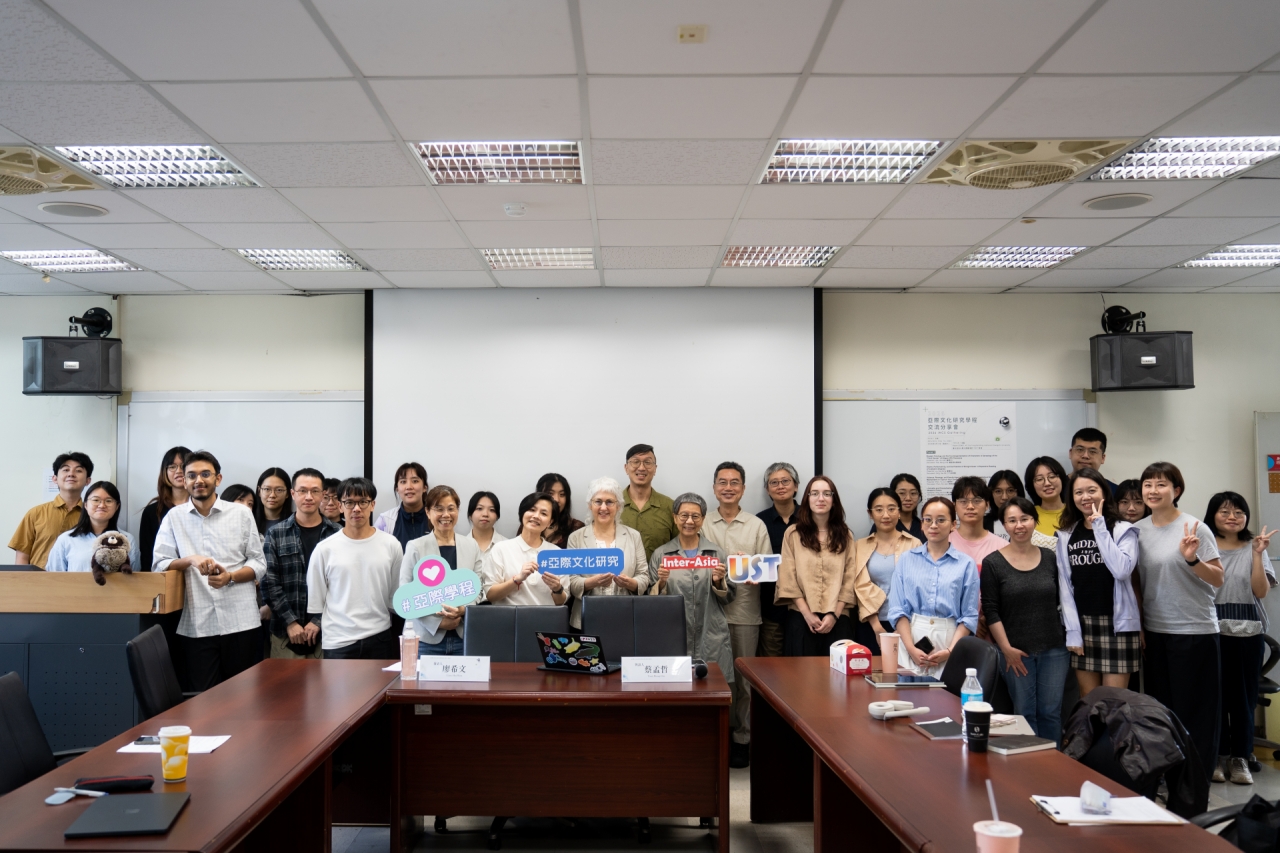
The 2026 Inter-Asian Cultural Studies (IACS) Gathering was jointly organised by the International Master's Degree Program in IACS, National Chengchi University (NCCU) and the International Master's Degree Program in IACS, University System of Taiwan (UST) on May 16, 2026, NCCU campus. The 12th annual gathering witnessed the participation of 26 graduate students, alumni, and 11 faculty members from all four participating universities (UST), fostering an engaging and immersive exchange of knowledge and ideas.
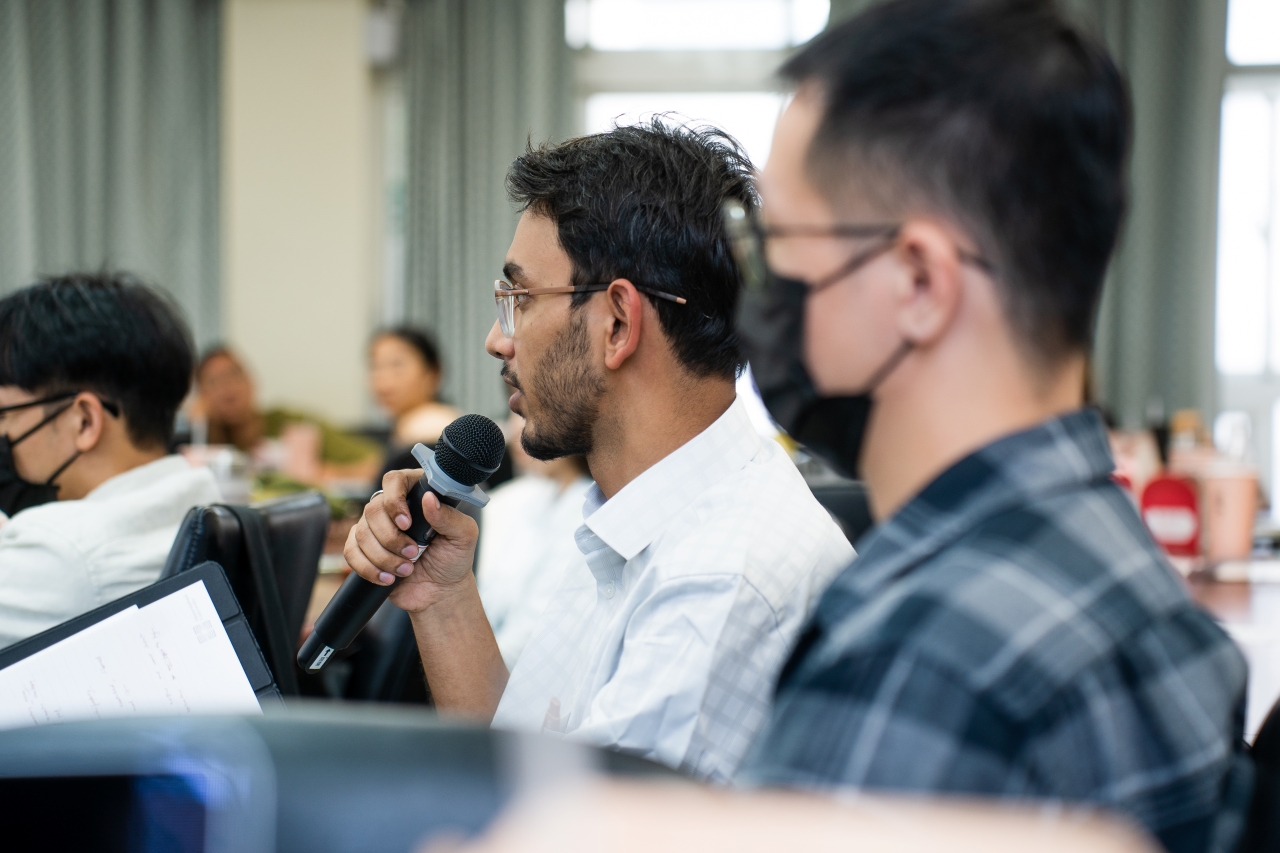
The presentation by 7 students organised into two panels included a wide array of topics, emphasising multiple points of cultural intersection anchored around media consumption and circulation, gender and queer theory, visual culture and conflict journalism, adopting paper presentations, data visualisation, and audio-video art screenings as ways of sharing ideas, followed by extensive comments and conversation by faculty members as individual discussants for the presenting students.
Panel 1 (13:30-15:20 CST)
Liao, Hsi-Wen, National Tsing Hua University, draws attention to the reductionist problem of classifying sexuality based on sexual orientation: homosexual or heterosexual, same-sex or opposite-sex, thus erasing ontological differences between three-dimensional/two-dimensional, human/non-human, natural/technological, and fictional/real sexual positionalities. His-Wen presents a historical and literary account drawing from practices of classification of marginalised gender/sexuality discourses in Otaku literature aimed at reconfiguring the third gender by ‘re-gendering’ and/or ‘counter-gendering’ to compile a genealogy of ‘character gender(s)’ and other positionalities.
Liu, Xue-Song, National Central University, reads Disgrace by J.M. Coetzee, drawing upon Eve Kosofsky Sedgwick’s Affect theory. Recognising that existing studies have either “over-politicised” the novel's historical context or applied superficial, fragmented treatments to the theme of shame, Xue-Song offers a “reparative reading”. Specifically, it aims to connect the main character David Lurie's "interstitial, marginalised existence" with the affect of shame, explaining how this specific emotional experience allows him to transform his subjectivity, repair his relationships with the world, and overcome his deep existential anxiety in a post-truth society.
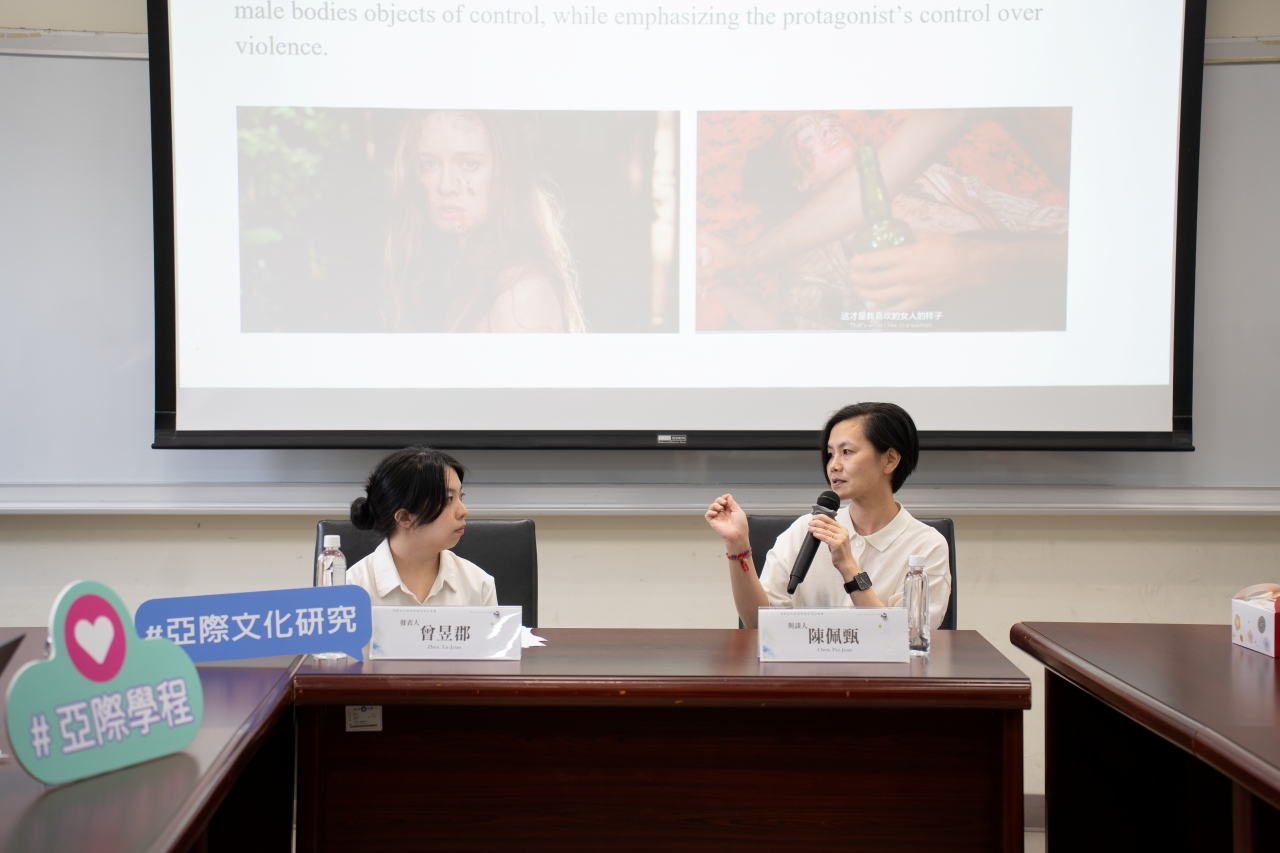
Zhen, Yu-Jyun, National Chengchi University, examined how late Cold War geopolitical crises produced a wave of masculine anxiety that was textually displaced onto filmic gender hierarchies and the policing of the female body. Using the controversial rape-revenge film I Spit on Your Grave (1978) as a primary text, her study interrogated whether cinematic representations of female vengeance offer genuine empowerment or merely reinforce patriarchal structures. The protagonist’s (Jennifer Hills) agency is entirely contained and compromised. Female autonomy is absent; instead, empowerment is only recognised when the female character imitates masculine, patriarchal violence. Methodologically grounded in feminist film theory and structuralism, Yu-Jyun utilised a three-tiered theoretical framework: Laura Mulvey’s "male gaze" and Barbara Creed's "monstrous-feminine" (visual level); Shohini Chaudhuri’s spectator ethics (spectator level); and Michel Foucault’s panopticism to view film as an ideological disciplinary technology (structural level).
Yang, Xin-Lei, an exchange student at National Central University, talked about the literary representation of "self-combed women" (自梳女)—an 18-20th century movement in China's Pearl River Delta where women achieved economic independence through the silk industry, rejected patriarchal marriage, and formed alternative "sisterhoods." Focusing on diasporic novels by Gail Tsukiyama (Women of the Silk, The Language of Threads) and Ruthanne Lum McCunn (The Moon Pearl), the presentation described how these narratives utilise cultural liminality to navigate identity politics. Xin-Lei argues that while these texts successfully disrupt Western stereotypes of submissive Asian women by framing zishu nu as symbols of resistance, they simultaneously risk exoticising these historical realities to fit Western narratives of progressive individual triumph.
Short break and refreshments (15:20 – 15:30 CST)
Panel 2 (15:30-17:00 CST)
Liu, Tzu-Chiao, National Chengchi University, presented a comparative case study analysing the cross-regional dissemination of mainland Chinese idol dramas on global streaming networks and their implications for the competitive survival of Taiwanese television. Liu notes a critical structural shift in the post-pandemic era: while the Taiwanese government has aggressively funded realistic, locally-grounded "New Taiwanese Dramas" tied to Netflix, this strategy faces stagnation as pandemic-driven viewership declines. Conversely, Chinese romantic idol dramas are capturing vast transnational audiences by leveraging the highly romanticised formulas originally popularised during Taiwan’s own television "golden age." To illustrate this disparity, Liu provided comparative Netflix viewership metrics from 2025. Liu argues that by abandoning traditional romantic formulas in favour of localised realism, Taiwanese television has inadvertently surrendered its historical market advantage. Mainland Chinese streaming media has filled this vacuum, mobilising emotional narratives to build global "taste communities" and exposing the limits of Taiwan’s current international media circulation strategies.
Tang, Man-Ting, National Chengchi University, adopting a phenomenological and ‘practice-as-research’ approach, demonstrated how sound, bodily movement, and spatial perception generate structural meaning. Tang’s presentation, which combined text and musical artefacts, re-examined the dynamic processes of musical performance, challenging traditional definitions of sound by asking whether natural phenomena like wind or waterfalls can truly be classified as "noise," and urging the audience to understand noise outside of existing musicological frameworks and theories.
Instead of treating noise as a mere disruption, Tang positions her work as a "resistant narrative art"—a performance deeply intertwined with narratives of political and artistic resistance where structure paradoxically emerges from conceptual rupture.
Satvik Singh, National Central University, presented his ongoing work on the mediatisation of the 2025 India-Pakistan conflict across print and digital media, drawing attention to the ways in which media texts and practices are shaping politics and eventually engagement for the national audience. The investigation employs content analysis to examine newspapers as literary products with specific focus on style, form and visual placement of text on the page as constitutive of meaning-making of the conflict. Historicising ‘conflict journalism’ in the inter-Asian context, Satvik notes stylistic variation in the narration of conflict in print and digital media, suggesting a departure from traditional forms of journalism towards conceptualising conflict coverage as a cross-platform, cross-genre media and cultural practice.
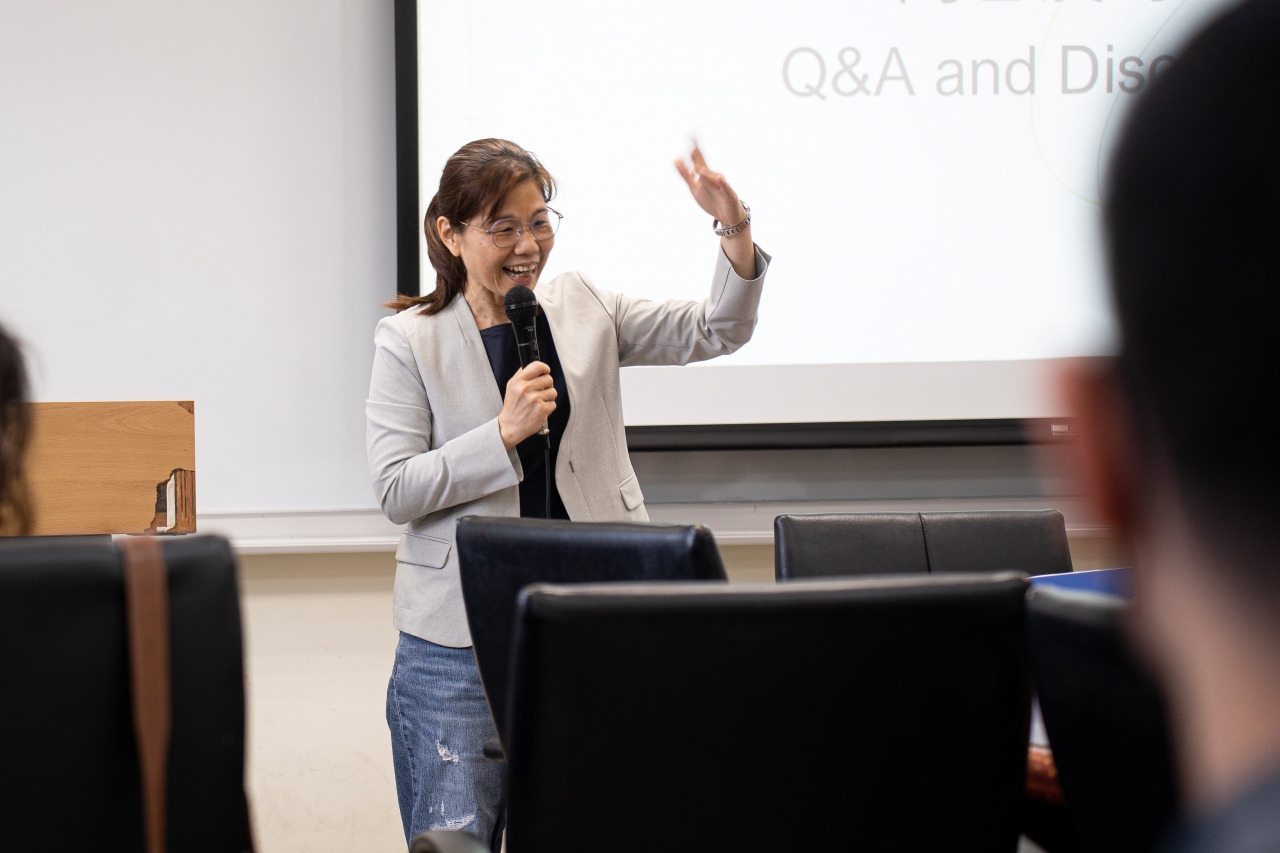
Prof. Liu, Hui-Wen, NCCU, at the close of the event, extended greetings and support to participants and volunteers for the successful organisation of the program and highlighted the significance of fostering cross-cultural understanding and emphasis on newer ways of knowledge production as part of an organised and institutionalised effort to develop an inter-Asian framework.
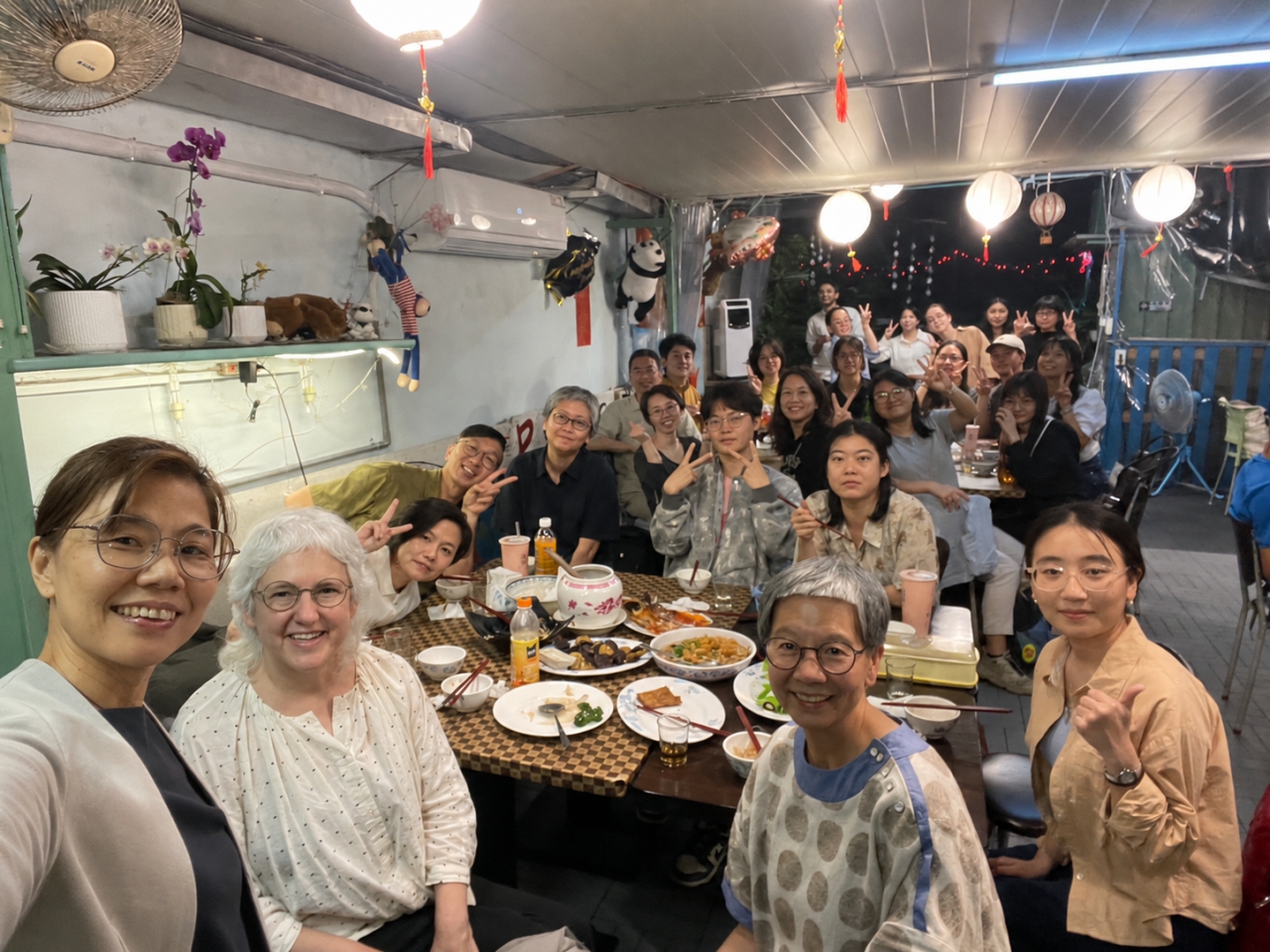
Following the rigorous deliberations of the 12th IACS Gathering at NCCU, participants engaged in a convivial post-event reception at a local restaurant near the campus, where they continued their dialogues, network building, and collaborative planning for future works.